
How a Pasco County Warrant Search Works
Warrants in Pasco County are issued by judges of the Sixth Judicial Circuit. A judge signs an arrest warrant after a finding of probable cause or after the State Attorney files a charge. A judge signs a bench warrant or a capias from the bench, often when a person misses a court date or breaks a release term. Law enforcement then carries out the warrant. The Pasco Sheriff and Pasco Corrections handle service and booking in the county.
Here is the part that trips people up. The official sources checked for Pasco County do not publish a standalone, public list of active warrants. There is no single Pasco warrant lookup tool that returns a clean list of open warrants by name. That gap is deliberate. Open warrant lists can tip off a person before service and can raise safety and privacy concerns. So a true Pasco County warrant search means reading the records where warrant activity gets recorded.
Two record sets carry that activity. Court case files in the Online Court Records Search show capias and warrant events on the docket. Jail records in the Pasco Corrections system show who is in custody and on what charges. Used together, these two sources give the clearest picture the public can get.
Warrants in Pasco County Court Dockets
The main place a warrant shows up to the public is the case docket. Pasco court files are searched through OCRS, the Online Court Records Search hosted by Civitek Florida for the Clerk and Comptroller. When a judge issues a capias or a bench warrant, the Clerk logs that event in the docket of the matching case. The same is true for a failure to appear, a bond forfeiture, or a warrant return after service. None of those entries is a separate warrant database. They are line items inside the case file.
You can reach the public search free from a browser. Open the Pasco County OCRS entry page, click Public, read the disclaimer, then click I Agree. Use Person Search with a last name or a business name. Use Case Search when the full case number is known. Add a filing date range or a court-type code, such as CF for felony, MM for misdemeanor, or DR for family, to cut a long result list. For a deeper walkthrough of the portal, see the Pasco County court records page and the court dockets page.
One limit matters here. OCRS captures search fields and docket text, but the inspected data did not show a dedicated warrant-number field. Warrant facts read as docket entries, not as a tidy warrant table.
- Capias: a court order to take a named person into custody, logged on the docket by date.
- Failure to appear: a missed hearing entry that often triggers a capias or bench warrant.
- Bond forfeiture: an entry showing a posted bond was lost after a default.
- Warrant return: an entry noting the warrant was served and the person was booked.
Checking Pasco County Jail and Arrest Records
The second source is the county jail. The Pasco County Jail is run by Pasco Corrections under Pasco County Government. Its public inmate web app lists who is in custody right now and shows past arrests. If a warrant has already been served, the person usually turns up here. The Pasco Corrections home page links to In Custody, Past Arrests, E-Notify, and inmate services. The public roster lives at jailinfo.pascocorrections.net/jmc.
The jail charge records show docket numbers, charge codes, bond amounts, dispositions, and arrest report or case IDs. They do not show a separate warrant number. So a custody record tells you a warrant was acted on, not that one is still open. For the full roster, booking data, and bond figures, use the Pasco County inmate records page. To trace the charges behind a booking, see the Pasco County criminal records page.
Important: A clean OCRS search or an empty jail roster does not prove that no Pasco County warrant exists. Public records lag and do not show every law-enforcement system. Never rely on a third-party warrant site to confirm your status.
Types of Pasco County Warrants
Not every warrant is the same, and the type shapes what happens next. A bench warrant and a capias both come from the judge, but they are not the only kinds. Some are tied to a new charge. Some are tied to a missed step in a case already open. The list below explains the main warrant terms that show up in Pasco court files and arrest records.
- Arrest warrant
- An order to take a person into custody, issued after a finding of probable cause or after the State Attorney files a charge.
- Bench warrant
- A warrant issued straight from the bench, often for failure to appear, failure to comply, or contempt of court.
- Capias
- A court order directing law enforcement to arrest and bring a named person before the court; in Florida the term overlaps with a bench warrant in many cases.
- Search warrant
- An order to search a place or property; it is usually not public before it is carried out and may stay sealed in whole or in part.
- Fugitive or out-of-county warrant
- A warrant from another county or state that can lead to a hold and possible extradition.
Civil contempt writs sit nearby. A failure to comply with a court order, such as a child support order, can lead to a writ that brings the person before the judge. Those entries appear under the family or civil case rather than a criminal file.
Bench Warrant vs Capias in Pasco County
People often ask how a bench warrant differs from a capias. In day-to-day Pasco practice the two overlap a lot. Both come from a judge. Both direct an arrest. The label on the docket can shift based on the stage of the case and the judge's order. A capias is the formal Latin term for the order to take a person; a bench warrant is the plain-English label most people use when a judge issues that order from the bench during a case.
What matters more than the label is the trigger. A capias or bench warrant in a Pasco file usually flags a missed hearing, a broken release condition, or a probation violation. The cure is the same: get the case number, confirm the status with the court, and resolve the underlying issue. The docket entry, not the word used, tells the real story.
How to Resolve an Outstanding Pasco County Warrant
If you think a warrant is out for you, the worst move is to guess from a stale website. Work the official records in order, then confirm with the court before you act. The steps below follow the path the county records support.
- Do not rely on third-party warrant sites; they are not the official record.
- Search OCRS by name and case number for criminal, traffic, family, or civil contempt cases.
- Check Pasco Corrections in-custody and past-arrest records for current booking, bond, docket, and disposition.
- Contact the Clerk or the court division shown on the case number for the current status.
- Contact a criminal defense attorney if there is any arrest exposure.
- If a bond is set, confirm the exact amount and posting method with the jail or court, not an old web page.
- If a court appearance is required, appear at the judicial center listed on the notice or case.
- After resolution, confirm the docket shows the warrant recalled, quashed, or satisfied before assuming it is cleared.
Important: Talk to a lawyer before you surrender on a warrant. An attorney can confirm the bond, arrange a walk-through, and protect your rights at first appearance.
Bond and the Pasco County Court
Bond is the amount set so a person can be released while a case moves forward. For many Pasco warrants the docket or the jail record lists a bond figure. That number can change. A judge can raise it, lower it, or order no bond at all for some charges. The amount shown on an old search may not match what the jail or court will accept today.
Confirm the live figure with the jail or the court before posting anything. The Clerk handles court financial obligations, while bond posting runs through the jail and the court. For broad public-records context on what the Clerk holds, the Pasco County public records page covers the request process and fee rules.
Legal Help for a Pasco County Warrant
Resolving a warrant is rarely a do-it-yourself job, and free help exists. The state court system publishes self-help material for people without a lawyer, covering forms, procedures, and where to file. You can start at the Florida Courts self-help portal.
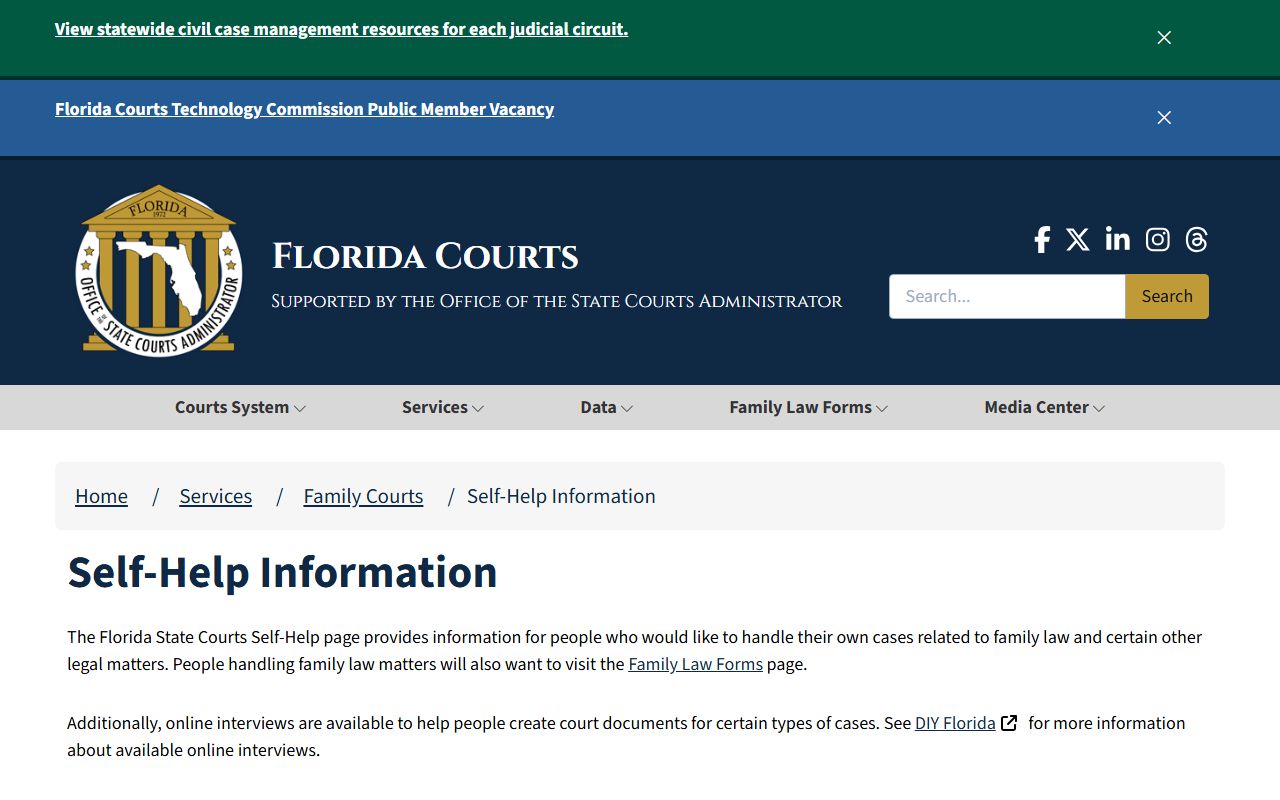
That page links statewide guides and family-law forms used in the Sixth Circuit. It is a good first stop before you decide whether you need to hire counsel for a Pasco warrant matter.
If you do need a lawyer and are not sure where to look, a referral service can match you with one. The Florida Bar runs a statewide service that screens member attorneys by practice area. Visit the Florida Bar Lawyer Referral Service to start a referral.
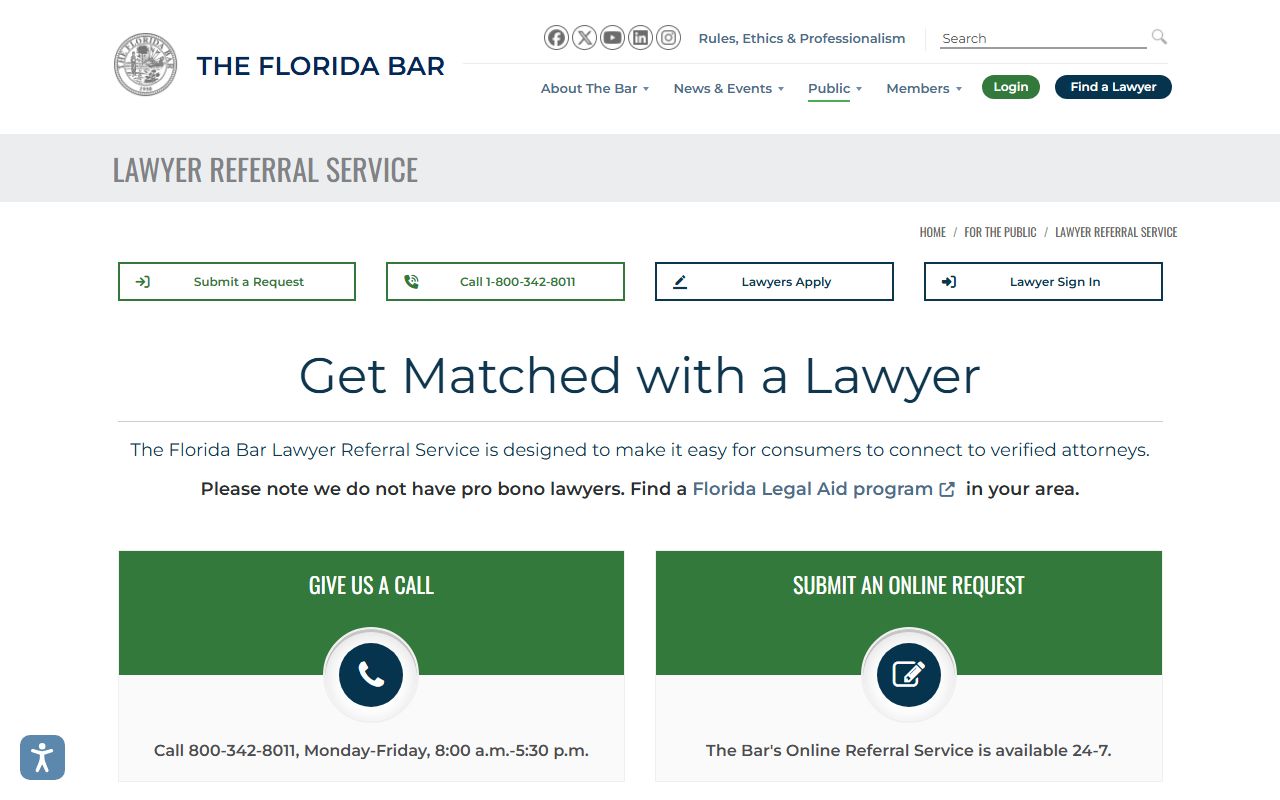
The referral can point you to a defense attorney who handles capias and bench-warrant matters in the Sixth Circuit. A short consult often clears up bond questions and the safest way to resolve an open warrant.
For people who cannot afford a private lawyer, civil legal aid may help with related issues such as family or housing cases that overlap with a contempt writ. One regional provider serves parts of the Tampa Bay area. Check current coverage with Bay Area Legal Services before you rely on it for a Pasco matter.

Service areas and case types change, so confirm eligibility for your county and your issue. For criminal exposure where you cannot afford counsel, the Public Defender for the Sixth Judicial Circuit represents eligible defendants through the court at first appearance.
Restricted Pasco County Warrant Records
Some warrant material never reaches the public file. A search warrant is usually not public before it is carried out, and parts of it can stay sealed by court order. Warrants tied to juvenile cases are limited under Florida law, since juvenile delinquency and dependency files are confidential except as the statutes allow. Federal warrants do not show in the county systems at all; those run through the federal courts and U.S. Marshals.
Sealed and expunged matters are also off the public record. A sealed file can be reopened only by court order, not by a Clerk request. Anyone who needs a fact from a restricted file should speak with an attorney or file the proper motion in the case. For the broader rules on what is public versus confidential, see the Pasco County Court Records FAQ.